










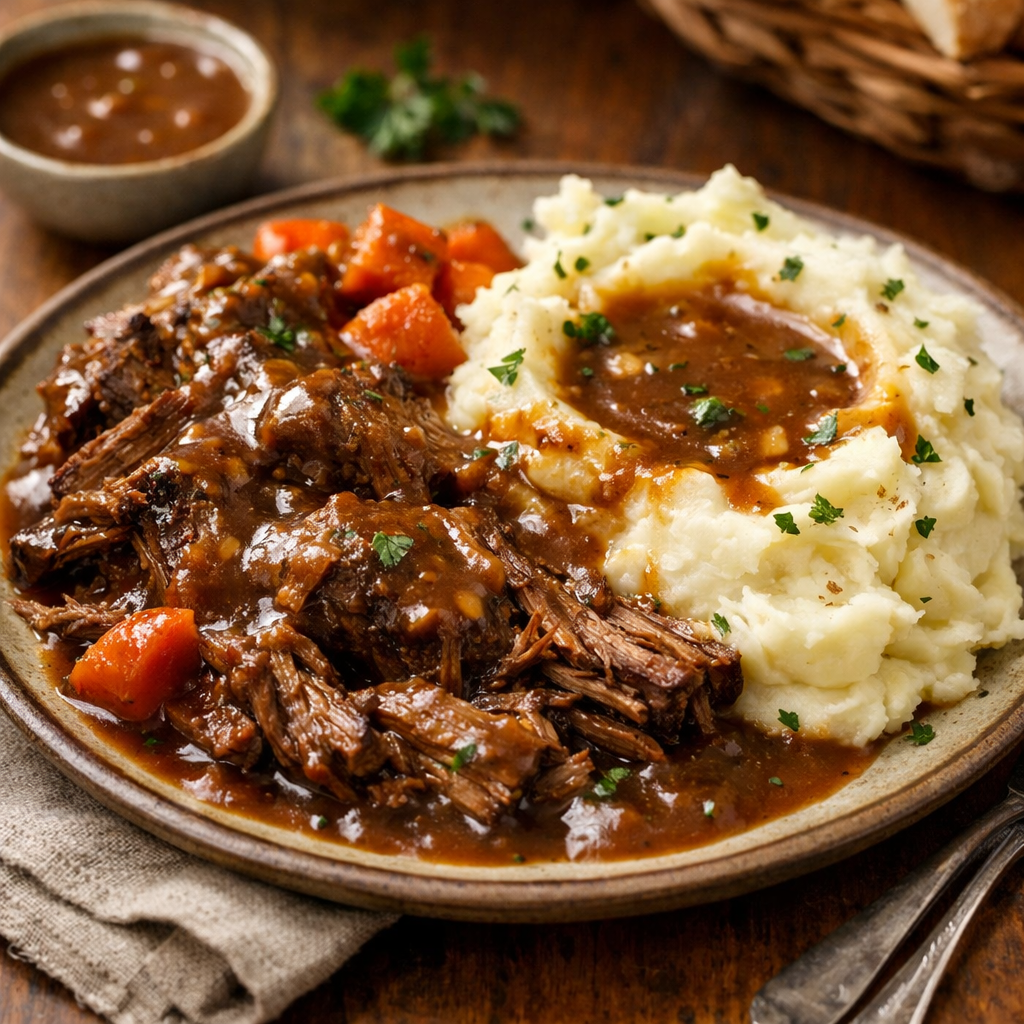
Chuck Roast and Mashed Potatoes: The Slow-Cooked Dinner That Never Lets You Down
There are some dinners that feel like an exhale. You walk in tired, the day’s been long, and you want something that tastes steady and familiar. That’s where chuck roast and mashed potatoes earns its reputation. It’s not trendy. It’s not complicated. It’s simply the kind of meal that makes the whole house smell better and turns an ordinary night into something you actually look forward to. A good roast has that deep, beefy flavor that only comes from time, and mashed potatoes are the soft landing pad for all that gravy. Put them together and you get comfort food that feels honest, filling, and worth the wait.
What most people don’t realize is that this dish is less about being an “expert cook” and more about understanding a few basics: how chuck roast behaves, how slow heat changes its texture, and how to mash potatoes without turning them into paste. Once you learn those things, you can make chuck roast and mashed potatoes confidently whenever you want something cozy and satisfying.
Why Chuck Roast Is Made for Slow Cooking
Chuck roast comes from the shoulder, which is a hard-working part of the cow. That means the meat has more connective tissue than a tender cut. If you cook it quickly, it fights back—chewy, tight, not pleasant. But if you cook it slowly with moisture, the connective tissue breaks down and turns into something silky and rich. That’s the magic. The roast goes from “tough” to “fork-tender,” and the cooking liquid turns into a flavorful gravy almost on its own.
This is why chuck roast and mashed potatoes has stayed popular for generations. It doesn’t rely on fancy ingredients. The flavor is created by patience, gentle heat, and simple steps done in the right order. When the roast is done properly, it doesn’t just taste like beef—it tastes like a full, rounded meal.
Picking the Right Roast at the Store
A better roast makes everything easier. When you’re looking at chuck roast in the meat case, focus on a few clear signs.
Look for marbling: thin white streaks of fat running through the meat. That fat melts during cooking and keeps the roast juicy. Also, choose a roast that’s thick and solid rather than long and flat. A thicker roast braises more evenly and tends to shred beautifully when it’s done. For most home kitchens, a 3 to 4 pound roast is a comfortable size. It’s big enough to feed a few people and still cooks evenly without crowding your pot.
Don’t stress if the roast looks a little uneven or has a few different muscles visible. That’s normal for chuck. It’s not a neat steak cut—it’s a hardworking piece of meat that becomes luxurious after a slow braise. If you want chuck roast and mashed potatoes that feels rich and satisfying, marbling and size matter more than perfect shape.
The Flavor Steps That Make the Final Dish Taste “Deep”
People often wonder why their roast tastes okay but not memorable. Usually, it’s missing a couple of flavor-building steps. The good news is these steps are simple.
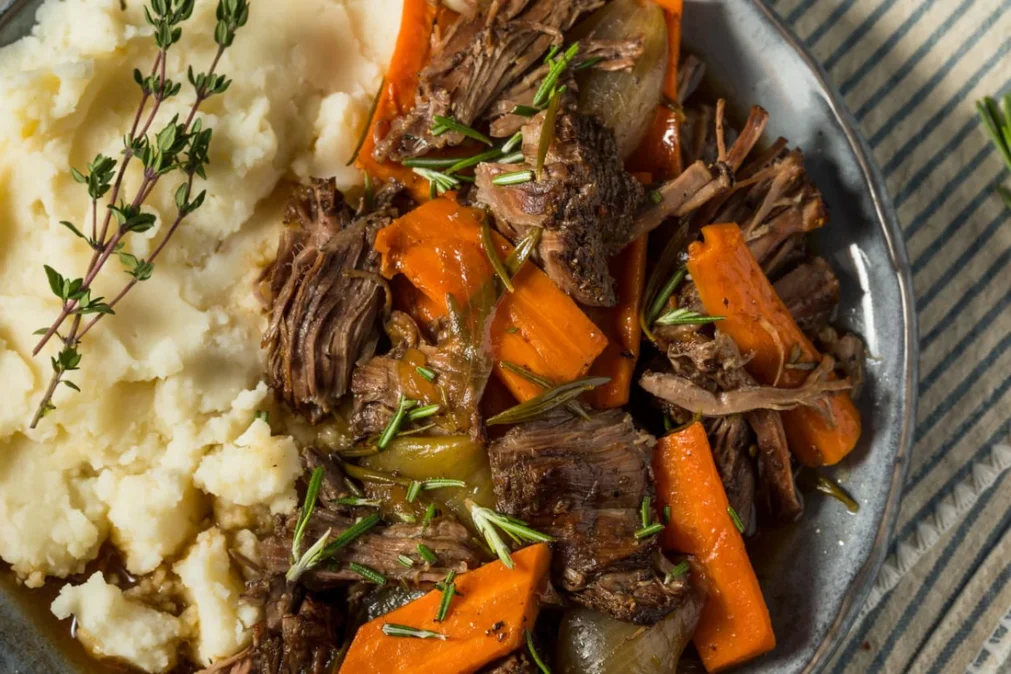
First is seasoning. A big piece of meat needs real salt and pepper. If you barely season the outside, the inside will taste bland no matter how long you cook it. Second is browning. Searing the roast creates a dark crust and leaves browned bits in the pot. Those bits dissolve into the cooking liquid later and become the backbone of your gravy. Third is aromatics—onions and garlic, plus herbs like thyme or rosemary if you like them. These soften and sweeten in the pot and make the broth taste like something that’s been simmering all day.
This is the part where chuck roast and mashed potatoes starts to feel like more than just meat and potatoes. You’re building layers, and those layers show up in every bite.
How to Sear Without Overthinking It
Searing is one of those steps people skip when they’re in a hurry, and it’s always noticeable in the final flavor. The roast won’t be ruined without it, but it won’t have that deep, savory edge that makes the gravy so good.
Pat the roast dry. Moisture is the enemy of browning. Season generously with salt and pepper. Heat a heavy pot until it’s truly hot, add a little oil, and place the roast in. Then leave it alone. Let it brown until you can lift it without tearing. Turn and repeat on all sides, including the edges. You’re not cooking it through—you’re simply building flavor on the surface.
When you pull the roast out, you’ll see browned bits stuck to the pot. That’s exactly what you want. Those bits are basically concentrated flavor waiting to be turned into gravy for chuck roast and mashed potatoes.
Braising: The Method That Guarantees Tender Meat
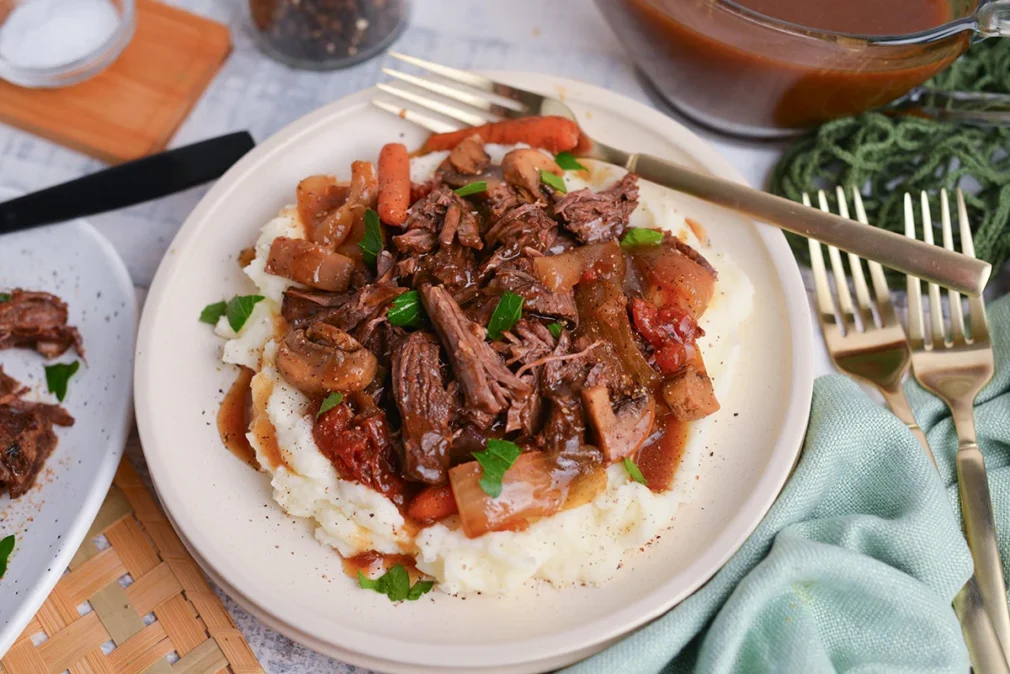
Braising is the most reliable way to get the texture people want from chuck roast. After searing, you sauté onions in the same pot so they pick up all those browned bits. Add garlic near the end so it doesn’t burn. Then add your liquid—usually beef broth. Some cooks add a spoonful of tomato paste for depth, or a splash of something acidic for balance. None of it needs to be complicated.
The key is how much liquid you use and how you apply heat. You don’t want to submerge the roast completely. Add enough broth so the liquid comes about a third to halfway up the roast. This creates a mix of gentle simmering and steam inside the covered pot, which is ideal for breaking down collagen.
Cook low and slow until the meat is tender. The exact timing depends on roast size, but the real test is feel, not the clock. When you slide a fork into the meat, it should go in easily. When you twist the fork, the meat should start to separate without resistance. If it still feels tight or rubbery, it needs more time. Don’t crank up the heat to “speed it up.” Higher heat can tighten the meat and dry it out. The roast becomes tender because collagen breaks down slowly. That’s the whole point.
This is where chuck roast and mashed potatoes becomes the kind of dinner people talk about the next day: soft beef, rich liquid, and a pot that smells like comfort.
Turning the Cooking Liquid Into Real Gravy
When the roast is tender, take it out and let it rest. Now you have a pot of concentrated flavor, and you’re a few steps away from the best part: gravy that tastes like it belongs on mashed potatoes.
First, skim excess fat if there’s a lot floating on top. A little fat is good; too much makes the gravy feel heavy. Next, decide whether you want smooth or rustic gravy. For smooth gravy, strain out the onions and herbs. For rustic gravy, mash the onions into the liquid for body and texture.
Then simmer the liquid uncovered to reduce it. This step matters more than people think. Reducing concentrates flavor and naturally thickens the sauce a bit. Taste as it reduces. Once it tastes rich and full, you can thicken further if needed. A cornstarch slurry works quickly: mix cornstarch with cold water, then whisk it into the simmering liquid a little at a time until it coats the back of a spoon. Go slowly. You can always add more, but you can’t easily undo an over-thickened gravy.
Finish by tasting and adjusting salt and pepper. If the gravy tastes a little flat, a tiny splash of acidity can brighten it. Not enough to taste sour—just enough to wake it up. This is the gravy that ties chuck roast and mashed potatoes together into one complete plate.
Mashed Potatoes That Stay Creamy and Light
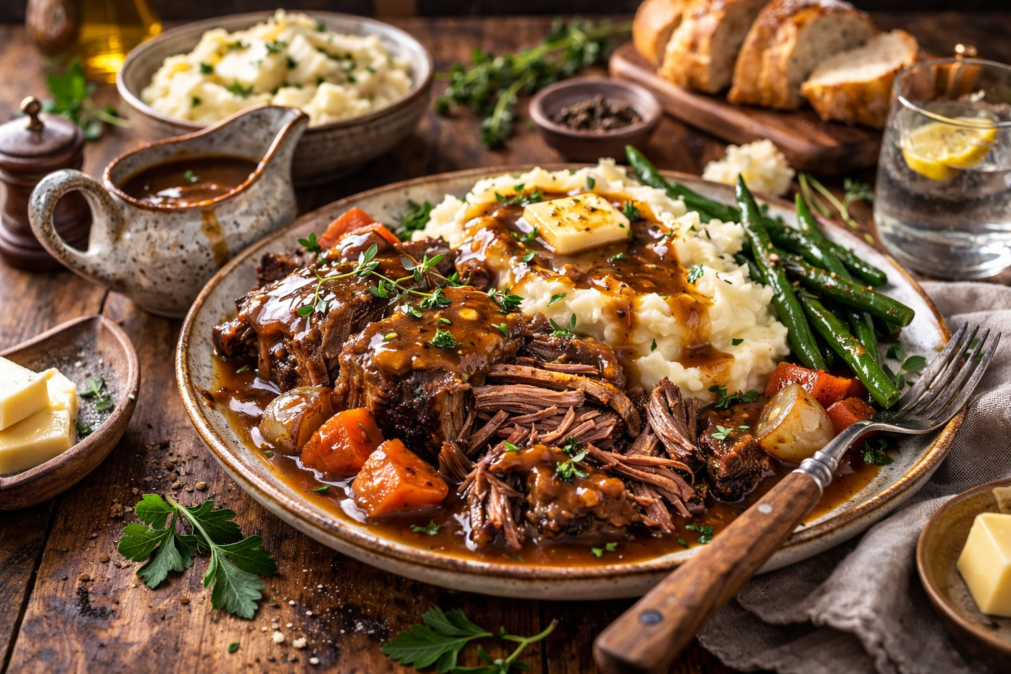
Mashed potatoes can be simple, but they’re also easy to mess up. The biggest problems are watery potatoes, under-seasoning, and over-mixing.
Start with the right potato. Russets give you fluffier potatoes. Yukon gold gives you creamier potatoes. A mix of the two is a solid choice if you want a texture that’s both light and rich. Cut potatoes into similar-sized chunks so they cook evenly. Start them in cold, salted water, then simmer gently until fork-tender.
Drain thoroughly. Then let the potatoes sit in the hot pot for a minute or two so steam escapes. This “drying out” step prevents watery mash. Mash while hot, but don’t whip them aggressively. Over-mixing breaks down starch and creates that gluey texture. A potato masher gives a classic result. A ricer gives an extra smooth texture without overworking the starch.
Warm your butter and milk before adding. Cold dairy cools the potatoes and makes it harder to get a smooth texture. Add butter first, then add warm milk gradually until the potatoes are creamy and soft but still hold their shape. Season with salt, and don’t forget to taste. Properly seasoned potatoes are what make chuck roast and mashed potatoes feel balanced instead of heavy.
How to Serve It So Every Bite Makes Sense
For a plate that feels complete, spoon the potatoes first, then add the roast, then pour the gravy over both. That way, every bite gets a little of everything. If you want a clean contrast, add something green on the side: green beans, peas, sautéed spinach, or roasted broccoli. A simple, slightly crisp vegetable keeps the meal from feeling too rich.
Chuck roast and mashed potatoes also benefits from a few quiet finishing touches. A little chopped parsley, a bit of black pepper on top, or a small spoon of gravy right at the end can make it feel extra inviting without changing the classic character of the dish.
Leftovers That Still Taste Like a Real Dinner
This meal is famously good the next day. Store the roast in its gravy so it stays moist. Store the potatoes separately. When reheating the roast, warm it gently with the gravy so it doesn’t dry out. For potatoes, reheat slowly and add a splash of milk to loosen them back into a creamy texture.
Leftover chuck roast and mashed potatoes can also turn into new meals without much effort. Shred the beef for sandwiches, pile it into a bowl with extra gravy, or use the mashed potatoes as a topping for a quick casserole-style bake.
Conclusion
A great pot of chuck roast and mashed potatoes isn’t about complicated technique—it’s about doing a few important things with care. Choose a well-marbled roast, brown it for flavor, braise it gently until it’s truly tender, and let the cooking liquid turn into gravy that tastes rich and balanced. Pair that with mashed potatoes that are seasoned well and mashed just enough, and you’ve got a dinner that feels comforting in the best way. It’s the kind of meal that makes people slow down, go back for seconds, and remember how satisfying simple food can be.
FAQs
Why is my roast still tough after hours of cooking?
It usually needs more time at gentle heat. Chuck roast becomes tender when collagen breaks down, and that takes patience.
What potatoes make the best mashed potatoes for this meal?
Russets are fluffy and Yukon gold are creamy. Many people mix both for the best balance.
How do I keep mashed potatoes from becoming gluey?
Avoid over-mixing and don’t use a blender or food processor. Mash gently and add warm dairy gradually.
How can I thicken gravy without lumps?
Reduce it first, then whisk in a cornstarch slurry slowly while the liquid simmers. Add a little at a time and stop when it coats a spoon.
Can I make chuck roast and mashed potatoes ahead of time?
Yes, it reheats well. Keep the roast in its gravy and refresh the potatoes with a splash of milk while warming.
You May Also Read: Who Is Samara Zane? A Detailed Look at the Private Life Behind a Public Name