








Jamie Laing: From Reality TV to Business, Broadcasting, and Modern Celebrity Branding
Few British media personalities have built a career that moves as confidently between entertainment, entrepreneurship, and broadcasting as jamie laing. Known first to many viewers through reality television, he has since expanded into radio, podcasting, brand building, and large-scale charity challenges. This article breaks down the key phases of his career, what has made his public image so durable, and what readers can learn from the way he’s shaped a modern, multi-platform identity.
Early Life and the Start of a Public Career
Before the spotlight, jamie laing was part of a world many people associate with privilege and private education, which later became both a talking point and a source of public debate. Whether audiences loved him or questioned him, one thing became clear early on: he understood attention. In the modern media landscape, attention isn’t just fame—it’s a resource that can be turned into opportunities when paired with consistency, self-awareness, and a willingness to evolve.
He didn’t arrive as a polished “host” or a traditional celebrity with a single talent. Instead, he entered public life as a personality, and over time he learned how to turn personality into a career that keeps changing with the times.
Made in Chelsea and Reality TV Recognition
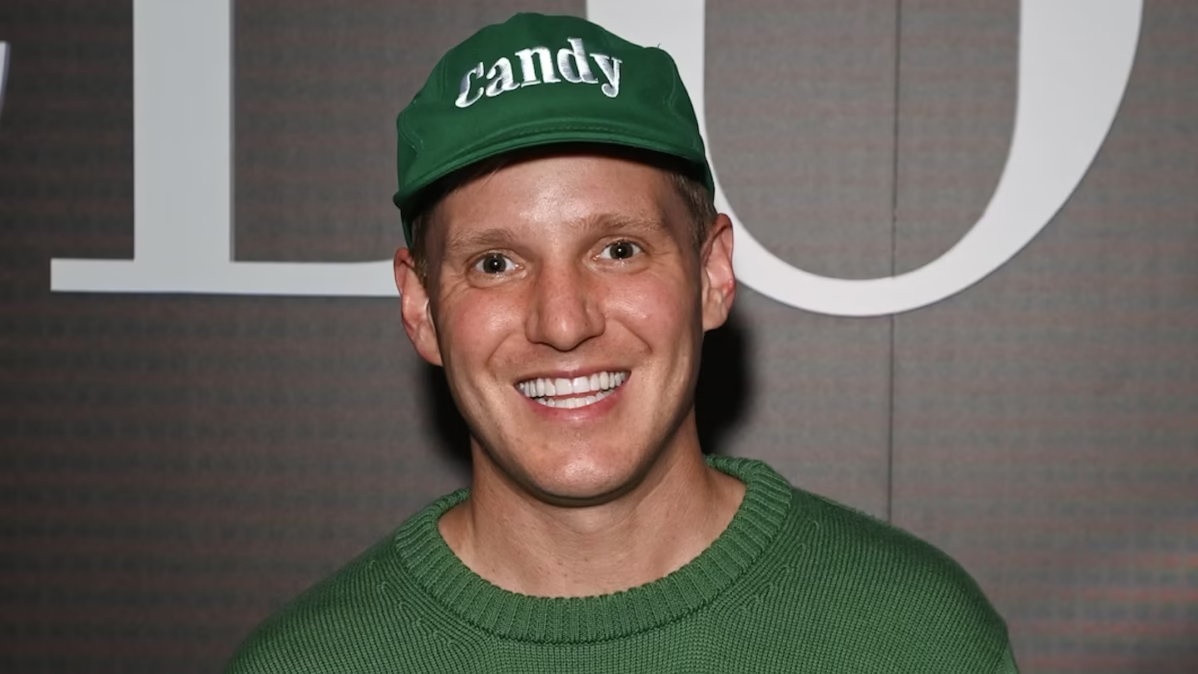
Reality television can be a career launchpad, but it can also become a label that is hard to shake. jamie laing became widely recognized through Made in Chelsea, a show that blends social drama, lifestyle storytelling, and cast-driven fame. For years, his on-screen presence helped define his public identity: charming, messy, funny, sometimes frustrating, often very watchable.
The real value of that stage wasn’t just the TV moments. It was the education in public perception. Reality TV teaches you how narratives form, how quickly opinion shifts, and how vital it is to stay relevant without looking desperate for attention. That early chapter gave him a platform, but the later chapters are what turned him into a broader media figure.
Candy Kittens and the Entrepreneur Shift
The most significant proof that jamie laing aimed beyond television was his move into business. Candy Kittens, his confectionery brand, became a major part of his public story because it showed a different kind of ambition: building something that could exist without constant screen time.
The brand’s appeal has often been linked to a few key ideas:
- A clear, modern identity and packaging style
- A product category that’s popular and easy to understand
- A story that ties back to a recognizable founder, without relying only on him
Celebrity entrepreneurship can be a shortcut, but it also comes with risks. If the product feels like a gimmick, the public moves on quickly. The reason Candy Kittens became a serious talking point is that it looked and operated like a real consumer brand, not a one-season sponsorship deal.
Radio and Broadcasting: A New Kind of Audience
A major step in the evolution of jamie laing has been broadcasting. Radio is different from television: you can’t lean on visuals, and you can’t “edit” your personality in the same way. Listeners spend long stretches with a presenter’s voice, and that demands warmth, pace, and genuine connection.
Moving into radio also signals a shift from “being watched” to “hosting.” Hosting requires generosity: making space for guests, co-hosts, callers, and music while still bringing energy. That transition often separates people who are simply famous from those who can build a long-term media career.
Podcasting and JamPot: Owning the Conversation

Podcasting has become one of the strongest ways for public figures to shape their own narratives. With podcasts, you’re not squeezed into short interview segments—you can go deep, show vulnerability, and build loyalty with listeners who come back every week.
jamie laing has been closely connected to the podcast world, both as a host and through wider production involvement. The most important benefit of podcasting for a personality like him is control: control of tone, topics, pacing, and the emotional texture of conversation. That’s a powerful tool in an era where short clips can distort context and social media can flatten people into stereotypes.
For audiences, the podcast format often reveals a more complete person: less performance, more reflection, and a stronger sense of humor that doesn’t depend on dramatic editing.
Public Image: Criticism, “Posh” Narratives, and Staying Likeable
A notable part of the jamie laing story is how he has dealt with the “posh” narrative that follows him. Public reactions to class and privilege in the UK can be intense, and media figures are often judged not only by what they do but by what people assume about them.
What keeps him in the conversation is that he rarely pretends the debate doesn’t exist. Instead, he tends to face it with a mix of humor, self-awareness, and a willingness to prove himself through work. That approach matters because audiences don’t require perfection, but they do respond to honesty and effort.
The lesson here is bigger than celebrity culture: people can accept many things about you if they believe you’re real, you’re learning, and you’re not trying to manipulate them.
Charity Challenges and the Power of Doing Something Hard
One of the most humanizing elements in recent years has been jamie laing taking on high-effort charity challenges. When a public figure commits to something physically demanding over multiple days, it changes the way people see them. It’s not just about raising money; it’s about demonstrating discipline and discomfort in a public way.
For many readers, this part of his career is a reminder that reputation can be shaped by action. Social media can build attention fast, but real effort builds credibility. When someone chooses a challenge that can’t be faked, it often earns respect from people who were previously neutral or skeptical.
Relationships and Lifestyle: Why Audiences Stay Interested

Modern audiences don’t just follow careers; they follow lives. Relationships, friendships, weddings, and daily routines have become part of public storytelling. jamie laing has remained visible partly because his personal life has been public-facing without feeling completely staged all the time.
This is a delicate balance. Share too much and it becomes noise; share too little and you lose relatability. The public tends to stay engaged when they feel they’re watching a real person navigate real situations, even if the context is glamorous.
What Makes His Career Model Work Today
If you look at jamie laing as a case study, his career highlights a few strategies that fit the current media era:
- Diversification across platforms
Television, business, radio, podcasts—each supports the other. If one slows down, another keeps momentum. - Audience intimacy
Radio and podcasts create closeness. People feel like they “know” the presenter, which builds loyalty. - Brand clarity
Candy Kittens shows the value of making a product that stands on its own identity. - Public resilience
He doesn’t disappear when criticized. He adapts, responds, and continues working.
Google Update Alert: How to Keep This Topic Ranking Over Time
Search visibility changes as Google updates how it evaluates helpfulness, trust, and originality. If you’re publishing content around jamie laing and want it to stay strong, focus on lasting value rather than short-term hype.
Practical ranking reminders:
- Write for readers first: explain context clearly and avoid filler.
- Keep sections structured with specific headings so people can scan and still learn.
- Refresh the post when major career changes happen (new shows, business moves, big charity events).
- Add unique insights: what his career shows about modern media, branding, and audience psychology.
- Avoid overloading the keyword. Use it naturally and keep wording varied elsewhere.
Conclusion
The career of jamie laing is more than a reality TV story. It’s a modern example of how visibility can be turned into a multi-lane career that includes business, broadcasting, and long-form storytelling. Whether you follow him as a fan or watch him as a cultural figure, his journey reflects how entertainment has changed: platforms multiply, audiences expect authenticity, and credibility often comes from consistent work. As the media world keeps shifting, the people who last are usually the ones who evolve—and jamie laing has made a habit of doing exactly that.
FAQs
Who is jamie laing best known for?
He is widely known for reality television, especially Made in Chelsea, and later for expanding into business and broadcasting.
What is Candy Kittens and why is it linked to him?
Candy Kittens is a confectionery brand associated with his entrepreneurial work and helped him move beyond TV-only fame.
How has jamie laing grown beyond reality television?
He diversified into radio presenting, podcasting, and business, building an identity that works across multiple platforms.
Why do people talk about his public image so much?
Class perceptions, media visibility, and his willingness to address criticism openly keep him a frequent topic of conversation.
What can content creators learn from his career?
Consistency, platform variety, and a clear personal brand matter—and audience trust is earned through real effort, not just visibility.
You May Also Read: Kevin Corke Wife Picture: What’s Real, What’s Rumor, and Why It’s Hard to Verify