











Luke Littler and the New Era of Darts: Skill, Pressure, and a Fast-Moving Rise
Darts has a way of surprising people. On the surface it looks simple: a board, three darts, and a quiet moment of aim. But once you watch it closely, you realize it’s a sport built on rhythm, nerve, and repeated accuracy under pressure. That’s why the appearance of a breakout star can feel like a real moment in time—something fans remember years later. In recent seasons, one name has pulled more attention than most, and not just from die-hard followers of the sport. luke littler has become a talking point in arenas, on social feeds, and in everyday conversations where darts usually doesn’t come up. The reason isn’t only that he’s young, or that he wins, or that he scores heavily. It’s that he makes big matches feel electric and unpredictable, the way sports are supposed to feel when everything is on the line.
This article takes a detailed look at what makes his story so compelling. You’ll find a clear breakdown of his playing style, the mental side of competing on major stages, how his presence is shifting the mood around professional darts, and what challenges typically face a player who rises quickly. If you’re new to darts, you’ll also get a simple way to watch his matches with more understanding and enjoyment.
Why the Name Keeps Showing Up Everywhere
In every sport, there are talented players. But only a few become “must-watch,” the kind of athlete who makes people tune in even if they don’t know the rules perfectly. That’s what’s happened with luke littler. His matches tend to feel urgent, not slow or procedural. Even when the game is moving in a normal rhythm, there’s a sense that something dramatic could happen in the next few visits to the board. Fans notice that energy, and casual viewers feel it too.
Another reason his name spreads fast is that he doesn’t look like he’s waiting for permission to belong. Many young competitors arrive carefully, showing flashes but also obvious nerves. He often looks comfortable, like the stage is familiar even when it’s one of the loudest venues in the sport. That comfort matters because darts is a mental contest as much as a technical one. The board doesn’t change. The pressure does.
The Foundation Behind the Hype
It’s easy for an audience to focus on highlights: a big finish, a string of heavy scores, a dramatic final leg. But players don’t become threatening at the top level because of one great clip. They become threatening because their baseline level is high and repeatable. That’s the less glamorous part of darts: doing the same thing, cleanly, again and again, even when your heart is racing and the crowd is reacting to every miss.
What makes luke littler stand out to many viewers is how often he looks “set” in his throw. The release is confident, the pace doesn’t wobble too much, and the body language rarely screams panic. That doesn’t mean he never feels pressure—it means he has learned how to keep the outside noise from entering the routine. When a player protects their routine, the game becomes simpler: aim, throw, adjust, repeat.
Playing Style: What Viewers Notice First
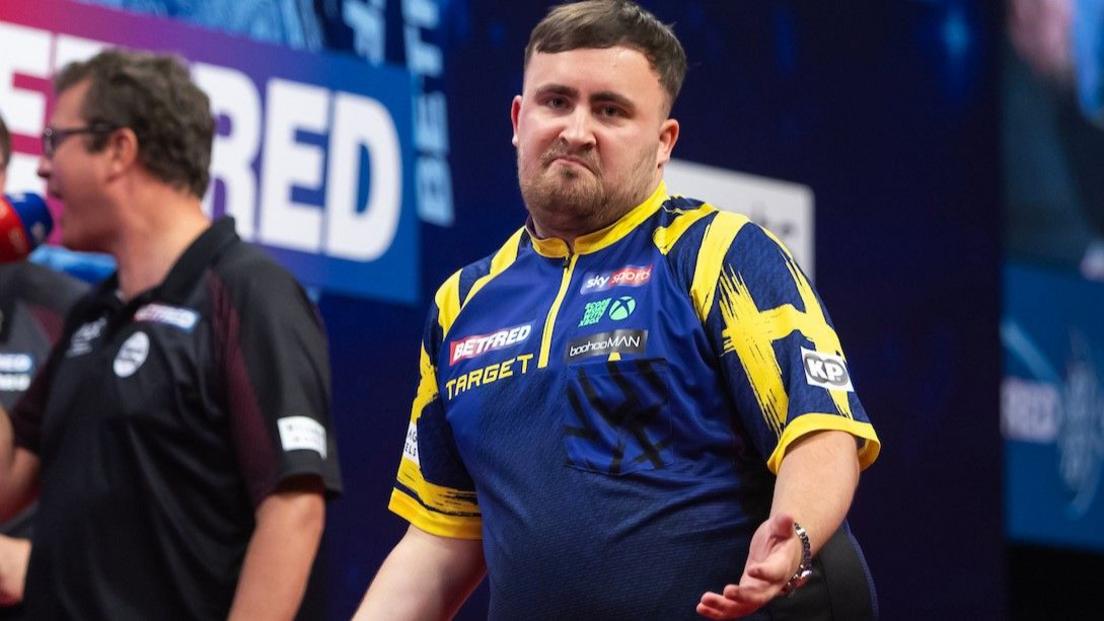
Most fans recognize a player’s style in the first few legs. Some players win by slowing the match down, leaning on experience and timing. Others win by bringing heat—pushing the pace with big scores and forcing opponents to chase. luke littler is often associated with that second category, because strong scoring changes everything. In modern darts, you can’t just “play steady” and expect to survive if your opponent is constantly setting up finishes in fewer visits.
Heavy Scoring and Momentum
Scoring power is more than hitting a single big number. It’s about building pressure with consistent visits that keep the opponent behind. When a player regularly lands strong scores, the opponent starts feeling like every visit has to be perfect. That is how momentum grows in darts. You can see it in body language: a missed triple becomes a bigger deal when the other player is already waiting on a finish.
With luke littler, the momentum swings can be sharp. A match that feels balanced can shift quickly after a short burst of heavy scoring. Fans love that because it changes the emotional shape of the game. One moment it’s tight and cautious, and then suddenly it’s racing.
Finishing: The Real Test
Scoring is exciting, but finishing is the part that decides whether a player becomes a champion or just an entertainer. Doubles are where matches are won, and doubles are where nerves show up. Great players don’t just hit doubles when they’re comfortable; they hit them when the match is uncomfortable. The most impressive finishes are often the ones that come right after a wobble, when the crowd expects the miss and the opponent is ready to punish it.
A key part of why luke littler gets respect from experienced fans is that he doesn’t rely on scoring alone. When the moment demands a clean close, he has shown the ability to step in and take it. That ability turns potential into results.
Rhythm and Pace
Some players slow down after a mistake, almost as a way to regain control. Others keep their pace steady, trusting their mechanics. When you watch luke littler, you often see a steady rhythm that doesn’t collapse after a missed dart. That steadiness can be a weapon. In darts, panic usually appears as rushed throws or long pauses that disrupt the flow. A stable pace helps a player stay inside their own game.
The Mental Side: Pressure, Noise, and Expectations
If you want to understand elite darts, you have to respect the mental side. The crowd is close. The reaction is instant. And the player has no time to hide. Every miss is public. Every pause is visible. You can’t run out the clock or rely on teammates. You stand there and throw.
That’s why the rise of luke littler interests so many people. With rising fame comes a different kind of match. Opponents are more focused, crowds are more intense, and every appearance gets turned into a storyline. The challenge becomes less about talent and more about managing the attention that comes with it. Some athletes thrive on it. Others get crushed by it.
The best sign for long-term success is not perfection—it’s recovery. Everyone misses. Everyone loses legs they should have won. What matters is how quickly a player resets. A player who can miss a key double, take a breath, and throw the next visit with the same shape and confidence is a player with real staying power.
What His Presence Means for Darts as a Sport

Sports grow when they produce stories that people want to follow. A new star can do that, especially if the story feels fresh. The emergence of luke littler has created a new entry point for fans who might not have followed darts closely before. People who previously only watched the biggest tournament now pay attention to weekly results, rivalries, and the idea of a season-long race.
That wider attention helps everyone. It adds energy to events, brings new viewers to broadcasts, and increases the value of competition. It also raises standards. When a younger player shows that they can score heavily and handle pressure, other players have to respond. Veterans can’t rely only on experience. Rising players can’t rely only on excitement. Everyone has to sharpen their game.
The Challenges That Usually Come Next
A fast rise is thrilling, but it also creates specific obstacles. When a player breaks through, opponents start studying them closely. They notice patterns: preferred setups, favorite doubles, moments where pace changes. They also adjust mentally. They no longer treat the player like a newcomer; they treat them like a threat.
For luke littler, the next stage of growth is about consistency across time. That means staying sharp through long schedules, traveling, training, and facing the same pressure again and again. It also means handling the emotional swing that comes with being a headline name. When you’re the player people expect to win, every match feels heavier. Managing that weight is part of becoming established.
There’s also the simple fact that darts is brutally competitive. A player can perform brilliantly and still lose because the opponent catches fire. Long-term success comes from stacking strong performances, not chasing perfect ones.
How to Watch His Matches With More Insight
If you want to enjoy darts more, watch beyond the score. Notice how he sets up finishes. Does he leave a favorite double? Does he aim for a specific route even when alternatives exist? Pay attention to what happens right after a miss. Does his pace change? Does he still commit to the same throw?
When you watch luke littler this way, the match becomes more interesting. You start seeing decisions, not just numbers. Darts becomes less like “hit or miss” and more like a mental chess game played at high speed.
A Simple Google-Friendly Content Reminder
If you’re publishing this topic on a blog and want it to remain strong over time, the most reliable approach is usefulness. Keep the article updated when major milestones happen, make headings clear for readers scanning on mobile, and answer the questions people actually type into search. Avoid fluff, and focus on what the reader gains after finishing the page: a better understanding of why this player matters and how to follow his progress.
Conclusion
The story of luke littler is compelling because it combines skill with timing. He arrived during a period when darts is faster, deeper, and more competitive than ever, and he hasn’t looked out of place. His scoring creates pressure, his finishing turns moments into wins, and his composure makes big stages feel normal. The next chapter will depend on consistency, adaptation, and how well he handles the expectations that follow every rising star. For fans, that’s what makes it worth watching. This isn’t just about one player winning matches—it’s about a sport feeling alive, with new rivalries and new energy, and a reason to tune in for the next throw.
FAQs
1) Who is luke littler?
luke littler is a high-profile darts player known for a rapid rise and strong performances on major stages. He’s become a key name because he combines big scoring with calm under pressure.
2) Why do fans find luke littler exciting to watch?
His matches often feature heavy scoring runs and tense finishing moments that can flip a leg quickly. That mix creates momentum swings that keep viewers engaged.
3) What skills matter most in his style of play?
Consistent scoring builds pressure, and reliable finishing on doubles closes the door when it counts. Mental reset after misses is also a major part of elite darts.
4) What challenges could affect his long-term success?
Maintaining consistency across seasons, handling constant attention, and adapting as opponents study his patterns are common challenges. The best players keep improving even after early success.
5) How can beginners follow his matches more easily?
Watch how he sets up finishes, which doubles he prefers, and how he responds after missed darts. Those details make the match feel clearer and more strategic.
You May Also Read: Webtoon XYZ: What It Is, Why It’s Popular, and What Readers Should Know